Decarbonise Now’s current campaign – is to rapidly accelerate the number of electric vehicles on the road.

Surface transport is the largest source of CO2 in the UK today, at 103 million tonnes. That’s 24% of all the UK’s greenhouse gas emissions in 2023. The UK is off track to meet its 2030 and 2035 climate targets, and with limited cuts that can still be made in electricity, and other areas being much harder to reduce emissions from, transport must step up to combat climate change.
We’re calling on the government to deliver on its goal of ending the sales of fully petrol and diesel cars and vans by 2030, and hybrids by 2035. Decarbonise Now was one of the campaigns pushing for this ban, but that target must now be backed up with the multitude of policies and incentives to get us there. Projections show that such a ban would mean millions more cars and vans on the road would be fully electric by 2030. This must be accompanied by yearly sales targets and incentives for car companies to increase their sales shares of electric vehicles, rising to 100% by 2030.
In the short term, incentives for electric vehicles must be maintained and expanded. The quota rules for expanding electric vehicles under the Zero Emission Vehicle (ZEV) mandate need to be maintained, with extra help for automotive companies and customers to enable a smooth transition in a fiercely competitive globalised car market.
Charging infrastructure must keep pace with this rollout, as well as the electrical grid getting reinforcement infrastructure that it will need to the additional demand. We also want to see further collaboration between the government, National Grid and Ofgem for the scale of funding and infrastructure required for a reinforced grid.
Finally, battery electric or hydrogen fuel cell Heavy Ground Vehicles (or HGVs) should have a clear plan for future deployment in the coming years. This should include large scale trials of electric and fuel cell HGVs in selective fleets, as well as greater fiscal incentives for purchasing alternative HGVs.
These policies have multiple benefits in addition to rapidly reducing emissions across the 2020s. 40,000 deaths a year are exacerbated by air pollution across the UK. A 2030 ban could reduce air pollution by 68% by the same date, saving lives and improving all our health, as well as £300mn in NHS costs. 93% of the public think that EVs have advantages over their petrol and diesel equivalents.
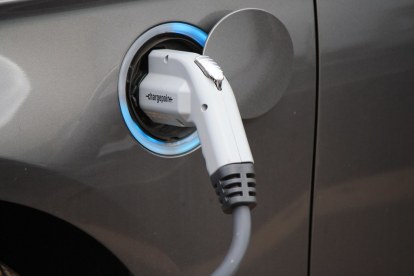 Over 100,000 people could be employed in producing electric cars by 2030 if the ban is reintroduced, and could reinvigorate the British car industry, including through new gigafactories. As electricity is cheaper than petrol and diesel, car owners can spend six times less on fuel. Electric cars and vans will be as cheap to buy as conventional equivalents by 2030. A 2030 petrol and diesel ban adds £7bn to the economy directly, and saves £20bn compared to a 2040 ban. This doesn’t include a £2bn saving from reducing oil imports, with oil imports halving between now and 2035 if this ban is reintroduced, increasing energy security and making Britain less dependent on overseas oil producing countries.
Decarbonise Now fought successfully for the introduction of a 2030 ban on petrol and diesel car and van sales under the last government, which was since put back to 2035. Decarbonise Now also pushed for ambitious but evidence based targets for the ZEV mandate. Some of this evidence can be found in the Publications page. The next phase of the campaign is to focused on building on the ZEV mandate and sustainably and equitably accelerating electric vehicle sales to decarbonise transport now – watch this space!
 Decarbonise Now